Are your “sugar-free” choices really helping you, or quietly sabotaging your goals? With over 43 names for artificial and low-calorie sweeteners on food labels, it’s easy to get confused.
In this guide, you’ll discover what these sweeteners actually are, how they impact your health and appetite, and how to navigate them wisely on your weight loss journey.

- Key Take-Aways about Artificial Sweeteners
- List of 43 Sweetener Names on Food Labels
- Types of Low Calorie (LC) Sweeteners
- Artificial sweeteners
- Sugar alcohols
- Natural No- or Low-Calorie Sweeteners
- Other Names for Sweeteners or Blends
- Which Artificial Sweeteners Are Best?
- What are the Risks of Using Artificial Sweeteners?
- How I Use Sweeteners During Weight Loss and Maintenance
- Sweet Sacrifice: Christian Weight Loss Journal
- How to Manage Sweeteners Safely for Weight Loss
Key Take-Aways about Artificial Sweeteners
- No sweetener is guilt-free. While artificial and natural low-calorie sweeteners may cut calories, they can still increase cravings, disrupt your gut health, and confuse your brain’s appetite signals.
- Stevia and monk fruit aren’t always as natural as they sound. Most processed versions are highly refined and often blended with other sweeteners, so they’re far from the plant-based simplicity the food industry wants you to believe.
- Use sweeteners strategically. Instead of obsessing over eliminating them, focus on reducing overall calories and processed foods in your diet. Over time, reassessing your sweetener use can help you curb cravings and break weight loss plateaus.
List of 43 Sweetener Names on Food Labels
Here is a list of names for artificial, low-calorie, and no-calorie sweeteners as you would see them on food labels.
- Aspartame
- Equal
- NutraSweet
- Sucralose
- Splenda
- Saccharin
- Sweet’N Low
- Sweet Twin
- Sweet’N Low Pink
- Acesulfame potassium
- Ace-K
- Sunett
- Sweet One
- Neotame
- Advantame
- Cyclamate (not approved in the U.S.)
- Erythritol
- Xylitol
- Sorbitol
- Mannitol
- Maltitol
- Isomalt
- Lactitol
- Hydrogenated starch hydrolysates (HSH)
- Stevia
- Stevia leaf extract
- Reb A
- Truvia
- Pure Via
- Stevia in the Raw
- Monk fruit extract
- Luo Han Guo
- Allulose
- Thaumatin (rare, from katemfe fruit)
- Katemfe fruit
- Yacon syrup (low-glycemic but has calories)
- Tagatose (low-calorie sweetener from lactose)
- Steviol glycosides
- Refined stevia extracts
- Monk fruit blends (often mixed with erythritol)
- Monk fruit sweetener
- Natural sweetener blend (may contain erythritol, stevia, monk fruit, or others)
- Natural flavors and natural flavorings
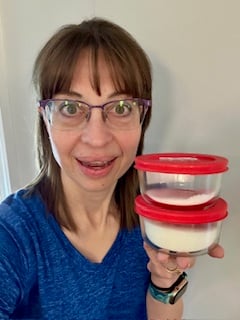
Heart Check with Sara: American sugar consumption is out of control. The average American consumes almost 1/2 cup per day. Many of us have turned to artificial or “natural” sweeteners instead, but we might be jumping out of the frying pan and into the fire.
Types of Low Calorie (LC) Sweeteners
Here are the different types of sweeteners by category.
Artificial sweeteners
These are synthetic, no-calorie or very low-calorie sweeteners.
- Aspartame (Equal, NutraSweet)
- Sucralose (Splenda)
- Saccharin (Sweet’N Low, Sweet Twin, Sweet’N Low Pink)
- Acesulfame potassium (Ace-K, Sunett, Sweet One)
- Neotame
- Advantame
- Cyclamate (not approved in the U.S., used in some other countries)
Sugar alcohols
These sweeteners occur naturally in small amounts and are often made from starches. They have some calories but are low-calorie. They may cause digestive issues in some individuals, particularly when consumed in excess.
- Erythritol
- Xylitol
- Sorbitol
- Mannitol
- Maltitol
- Isomalt
- Lactitol
- Hydrogenated starch hydrolysates (HSH)
Natural No- or Low-Calorie Sweeteners
These are considered “natural” because they are derived from plants or other substances found in nature.
However, keep in mind that these sweeteners are rarely used in their purely natural form in processed foods, and experts have concerns they may increase appetite in some individuals. None of these has been proven to help with weight loss.
- Stevia (Stevia leaf extract, Reb A, marketed as Truvia, Pure Via, Stevia in the Raw, etc.)
- Monk fruit extract (Luo Han Guo)
- Allulose
- Thaumatin (rare, from katemfe fruit; used in some specialty products)
- Yacon syrup (low-glycemic but does have some calories)
- Tagatose (low-calorie sweetener from lactose, less common)
Heart Check with Sara: People tell me, “I don’t use artificial sweeteners. I only use stevia and monk fruit.” Don’t kid yourself. While these options might be more natural, trust me that as they appear in nature, stevia and monk fruit don’t taste like that protein bar you’re eating.
Other Names for Sweeteners or Blends
These are combinations of sweeteners and are often mixed with erythritol or other bulking agents.
- Steviol glycosides (components in refined stevia extracts)
- Monk fruit blends (often mixed with erythritol, sometimes labeled as “monk fruit sweetener”)
- “Natural sweetener blend” (check labels; may contain erythritol, stevia, monk fruit, or others)
Natural Flavors
Natural flavors are chemical compounds that add flavor and smell to a food without adding nutritional value. The mixtures can contain more than 100 chemicals, including solvents, emulsifiers, flavor enhancers, and preservatives.
These flavors are added to packaged foods and drinks like sparkling water to give a flavor like lemon, lime, or strawberry.
While the flavors themselves may come from a natural source, they are combined with other chemicals to enhance your taste experience.
Heart Check with Sara: While natural flavors are unlikely to be harmful, it’s best to opt for whole foods and avoid them whenever possible. There’s little that’s natural about them.
Which Artificial Sweeteners Are Best?
Heart Check with Sara: No artificial sweetener is classified as “good.” A better thought is “least likely to cause harm” to “most likely to cause harm.” While many seem safe as far as health risks like cancer, there is no evidence that they help with weight loss. Ultimately, this is a decision for each individual.
The American Heart Association labels zero- and reduced-energy food additives as low-calorie sweeteners (LCS).
This includes:
- nonnutritive sweeteners
- artificial sweeteners
- sugar substitutes
- low-energy sweeteners
Depending on the brand, these sweeteners may be low in calories or have no calories.
The Food and Drug Administration has approved these LCS as SAFE for use in foods and beverages:
- Acesulfame-K
- Advantame
- Aspartame
- Neotame
- Saccharin
- Sucralose
The FDA lists these as Generally Recognized as Safe (GRAS) for use:
- Stevia
- Monk fruit
- Allulose
What are the Risks of Using Artificial Sweeteners?
Many experts have concerns about the use of low- and no-calorie sweeteners, including:
- Symptoms and side effects – Some individuals may experience digestive issues, headaches, lethargy, and other adverse effects.
- Increased food cravings – The more we eat sweets, the more we desire sweets due to a dopamine reaction in the brain.
- Increased appetite – One theory suggests that the brain becomes confused by the sweet taste without calories and may attempt to compensate by increasing appetite.
- LCS negatively impacts the gut microbiome. These substances may feed harmful bacteria in the gut and disrupt the growth of beneficial bacteria. This can then increase hunger and appetite, leading to weight gain.
Heart Check with Sara: Sweeteners feel like a weight loss cheat code. No calories! All the desserts we love! Sugar-free sauces and packaged goods! Yet God made our bodies so smart that they circumvent us and demand to find the calories from sweets elsewhere by increasing our appetite. Artificial sweeteners (even “natural ones) are not an easy weight loss button.
How I Use Sweeteners During Weight Loss and Maintenance
As someone who is maintaining a 100+ pound weight loss, I’ve used artificial sweeteners in various ways during my journey.

I started off replacing high-sugar foods like Drumstick ice cream cones (of which I could consume a whole box in a day) with “healthy junk food” like Skinny Cow ice cream cones. Healthy? Maybe not, but it gave me the start I needed.
I also had a terrible Diet Coke and Diet Dr. Pepper addiction, often consuming 6-8 bottles per day. That’s not healthy either, but I did lose 80+ pounds while continuing the habit, and sometimes a Diet Coke got me through an afternoon instead of crunching a bag of Cheetos.
Gradually, I reduced my consumption of junk food over time and replaced these items with healthier foods.
Today, I’ve kicked the diet soda habit. I still eat junk food sometimes, some with sugar, and some with sweeteners. I don’t think sweeteners of any type are especially healthy, and I do think they trigger my appetite. However, we all pick our battles and choose what makes weight loss livable for us.
Sweet Sacrifice: Christian Weight Loss Journal
- Is sugar controlling your life?
- Do you feel powerless to stop once you start eating sweets?
- Are you addicted to sugar?
Sweet Sacrifice is your step-by-step, Christ-centered guide to breaking sugar’s hold, without giving it up forever.
Over 30 intentional days, you’ll explore why sugar has such a pull, align your cravings with God’s truth, and create a healthy relationship with treats that lasts.
This printable journal combines Scripture, prayer, and science-backed strategies so you will:
- End sugar binges and emotional eating
- Enjoy dessert without guilt or loss of control
- Replace shame with God’s grace and lasting peace
Your 30-Day Journey Includes:
- Daily prompts and reflection questions
- Food lists, trackers, and action steps
- A one-week “Sweet Sacrifice” sugar break guided by faith and practical tools
- Reintroduction strategies to enjoy sugar in balance
You don’t have to be perfect, but you do have to start. Take your first step toward sugar freedom with Jesus by your side.
How to Manage Sweeteners Safely for Weight Loss
Here are my recommendations:
- Don’t major in the minors. If you are just getting started with weight loss, don’t major in the minors. Don’t try to give up sweeteners yet. Just focus on getting your calories down in whatever way is manageable.
- Re-evaluate. As you start to lose weight (especially if you hit a plateau), it might be time to re-evaluate your relationship with sweeteners. Start with reducing them, then try eliminating them and see how it affects your mood, energy, and appetite. You are a science experiment of one, so test for yourself.
- Be aware. I strongly dislike how the food industry uses the halo effect to make processed junk foods appear healthy. Items like protein shakes, bars, Fiber One brownies, and others are full of chemicals, sweeteners, and additives. We would all be better off eating real food instead.
Heart Check with Sara: I eat foods with sweeteners, even though I know they aren’t especially healthy. I have drastically reduced the amount (mainly due to giving up diet pop). I continually strive to eat more whole foods and fewer processed foods, which naturally addresses this conundrum.
Do you use artificial or low-calorie or no-calorie sweeteners? How do they affect you? Share about it in the comments below.
More Articles for You
The Holy Mess Weight Loss Membership
7 Warning Signs You Are Addicted to Sugar
130+ No-Sugar-Added Recipes and Meal Ideas
7 Ways to Change Your Mindset for Weight Loss Success
Top 20 Weight Loss Affirmations
Top 20 Anti-Inflammatory Foods – with Free PDF printable list
Complete Anti-Inflammatory Eating Out Guide – with name-brand restaurant and fast food listings








The only artificial sweeteners I consume are Stevia and monk fruit, and only in high protein Greek yogurt. I’m weaning myself off of this too to get to plain nonfat Greek yogurt. I can taste all the other artificial sweeteners and I hate them. They also make my stomach hurt. I prefer to use a small amount of real sugar than an artificial sweetener. The more whole food I eat, the better I feel and the more my weight stabilizes. There’s nothing wrong with limited amounts of natural fats and minimal amounts of natural sugar in a whole-food diet.
I have reached my goal weight (73 pounds off), and I do use Stevia and monkfruit. I researched whether those affect my blood sugar, and my sources say no. I mainly use sweeteners in coffee and iced tea, although I do eat lower-calorie products that have other sweeteners in them occasionally. I found that I was using a little too much in my coffee, and I have cut back by half. I am a savory eater, so I haven’t realized any increase in my craving for sweets.
I did give up on refined sugar, but am not willing to give up Stevia or Monkfruit at this time.
When a product says Zero sugar is that true or is there artificial sugar in them also?