To maintain weight loss, keep doing what worked to lose it, add about 100 calories a day, and adjust every two weeks until your weight holds steady. Keep your protein up, strength train twice a week, choose a 5 to 10 pound range, and write a plan for regain before you need it.
I’ve kept off 100+ pounds for 20 years. Whether you lost weight with WW, calorie counting, or a GLP-1, the way you keep it off is the same. These are the 7 strategies I still use every day. If you’re coming off a GLP-1, start with how to not gain weight after stopping Ozempic.

- Why Weight Maintenance Matters So Much…and No One Talks About It
- How Does Weight Maintenance Work?
- How Many Calories Do You Need to Maintain Weight Loss?
- Weight Loss Maintenance vs. Weight Loss Plateaus
- My Story: 20 Years at (and Around) My Goal Weight
- 7 Strategies to Stay at Your Goal Weight
- How to Keep Weight Off After a GLP-1
- If You Aren't at Your Goal Weight Yet
- How The Holy Weigh Helps You Keep It Off
- Maintaining Weight Loss FAQ
Why Weight Maintenance Matters So Much…and No One Talks About It
Getting to your goal weight is the starting line, not the finish line.
I cycled through losing and regaining 30, 40, and 50 pounds many times over before losing 100+ pounds for the final time. As someone who has been maintaining a 100+ pound weight loss for over 20 years, I would argue that weight maintenance is more important than weight loss.

After all, most of us can lose some weight in the short term. But if we use an unrealistic method to lose it, the pounds quickly come back and we end up heavier than ever.
Yet where is the information about maintaining weight after weight loss? There are thousands of weight loss programs, websites, books, and products to help you lose weight. There are very few that help you keep it off. One of the best is the National Weight Control Registry, which studies people who have lost weight and kept it off.
How Does Weight Maintenance Work?
Weight loss only happens one way, and that’s eating fewer calories than you burn.
Maintaining your weight happens when you eat about the same amount of calories that your body burns in a day. This is calorie balance.
You’ll never get this exactly right, but over the course of a week, if you’re close to the target, your weight will stay steady.
Whether you lost weight using a low calorie diet, Keto, Intermittent Fasting, Weight Watchers, or some other method, the way to maintain weight is by keeping a daily calorie balance.
How Many Calories Do You Need to Maintain Weight Loss?
Because you’re no longer keeping up a calorie deficit, you can eat a few more calories each day than you did while losing. For most women, the difference is about 100 to 200 calories a day. That’s a small handful of nuts or one small granola bar.
The idea that you can “go back to normal” (eat what you did before weight loss) is a huge myth and why most people regain weight. As your body gets smaller, it needs fewer calories to move through space, so you burn fewer calories during daily activities and exercise. For this reason, some people find maintaining harder than losing.
Find your number slowly:
- Add about 100 calories a day. Use this range for two weeks.
- If you keep losing, add another 100 calories, for 200 more per day.
- If you gain weight, go back to your weight loss range.
- Keep making small adjustments every 2 weeks until you find a comfortable range.
For a step-by-step method, read How to Find Your Maintenance Calories.
Weight Loss Maintenance vs. Weight Loss Plateaus
Maintaining weight loss is different from a weight loss plateau.
Maintaining means you’re at your goal weight or content with your current weight. A weight loss plateau is when you’re actively trying to eat at a calorie deficit but still not losing weight.
If you’re stuck on a weight loss plateau, use these plateau strategies to get the scale moving again.
My Story: 20 Years at (and Around) My Goal Weight
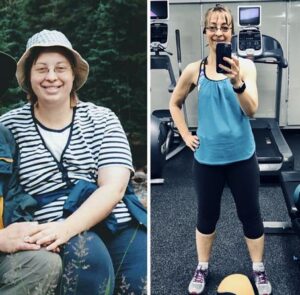
I’ve had the joy and privilege of maintaining my 100+ pound weight loss for over 20 years. Maintaining weight loss is a lifelong endeavor.
In the two decades I’ve been maintaining, my weight has ranged from 117 lbs to 170 lbs due to illness, physical activity, life stresses, and more.
For many years, my weight was about 20 pounds higher than my goal weight, which was very frustrating and demoralizing. It was like that carrot always dangling just out of reach.
Then again, I was thrilled with the weight I had lost. I was much healthier, I competed in triathlons, and I even got my Tae Kwon Do Black Belt.
Through God’s grace and some mental work, I developed new strategies and finally got to my goal weight. Read more about how I broke my 15+ year plateau here.
I’ve even been fortunate enough to have my weight loss story featured in Woman’s World magazine.

Today I lead The Holy Weigh, a Christian weight loss membership, so I get to help other women lose weight and keep it off, too.
7 Strategies to Stay at Your Goal Weight
These are the strategies I’ve found most useful for keeping weight off after losing it:
- Whatever you do to lose it is what you do to maintain it.
- Add calories slowly.
- Keep your protein up and lift weights.
- Pay attention to your weight.
- Choose a 5 to 10 pound range.
- Write a regain action plan.
- Set new goals and give yourself grace.
1. Whatever You Do to Lose It Is What You Do to Maintain It
Don’t do anything to lose weight that you can’t maintain for a lifetime.
If you’re doing anything restrictive to lose weight, like going hungry, giving up whole categories of foods, or never eating treats, there’s a high likelihood that you’ll regain the weight.
Instead, make small, steady changes that you can keep forever. Planned meals, enough food, real food from every food group, and treats you enjoy without guilt. Maintainers don’t eat fancy food. They eat repeatable meals, with planned treats along the way.
2. Add Calories Slowly
At goal weight, it’s tempting to go back to old habits. Instead, add about 100 calories a day, hold it for two weeks, and adjust from there (see the steps above). Small changes let you find your maintenance range without a surprise on the scale.
3. Keep Your Protein Up and Lift Weights
Almost all of us lose some muscle when we lose weight. It’s an unfortunate part of the process, but it is part of it. Now that you’re at goal weight, you can shift your focus to building muscle and changing your body composition.
If you lost weight fast, you may have lost more muscle. That happens often after weight loss surgery or while taking a GLP-1 medication. If that’s you, protein and muscle building matter even more.
Muscle takes two things: protein and strength training. The target for most women is 60 to 100 grams of protein a day. Aim for the higher end as you age, when you exercise, or if you take a GLP-1. Add 2 strength sessions a week.
A body composition scale shows your ratio of body fat, muscle, bone, and water. It’s especially helpful at goal weight, because a regular scale won’t tell you whether you’re keeping muscle or losing it.
4. Pay Attention to Your Weight
When you get to your goal weight, many people fear gaining the weight back. This is completely understandable, but 25, 50, or 100 pounds won’t come back instantly. Regain takes weeks or even months. If you pay attention, you’ll be able to stop regain quickly.
I weigh myself every day (and actually find it reduces my scale stress), but some people at goal weigh themselves once a week or once a month. What matters most is that you pay attention.
5. Choose a 5 to 10 Pound Range
Choose a 5 to 10 pound range with your doctor. Your happy weight is the weight where you can eat balanced meals, enjoy a planned treat sometimes, move your body, and still live your life. If maintaining a number means 2 to 3 hours at the gym every day and no treats, that’s not a realistic weight. Is the juice worth the squeeze?
Then pick 3 non-negotiables: habits you keep no matter what. Good day, bad day, vacation, holiday, goal weight or not. Limit it to 3 so it’s doable.
6. Write a Regain Action Plan Before You Need It
Most maintainers will regain at some point. Life is life, and maintaining isn’t easy. Crisis events, medical issues, and slip-ups are going to happen. Write your plan now so you’re ready:
- Up 2 to 3 pounds: go back to your food log every day this week and plan your meals.
- Up 5 pounds: weigh in daily, cut back on planned treats, and check in with an accountability partner.
- Up 10 pounds or more: restart the plan you used to lose the weight and tell one person for accountability.
Include self-kindness in your plan. A gain isn’t a moral failure. Get back on track at the next meal.
7. Set New Goals and Give Yourself Grace
When the scale stops moving and people stop noticing your weight loss, motivation can stall too. For months you had a number to chase. In maintenance, the win is that nothing changes, and that can feel flat.
You need new goals. For me, exercise goals have been a huge motivator. For others, it’s giving back and helping women who are still struggling with their weight, or finding a new hobby to fill the space food used to take up.
Finally, give yourself grace. Maintaining your weight loss is hard, and there’s a reason so few people are able to do it. When you slip up, offer yourself grace. You can’t guilt yourself thin. Shame and belittling never work. Get back on track as quickly as possible in the most loving way you can.
How to Keep Weight Off After a GLP-1
With the rising use of GLP-1 medications such as Ozempic, Mounjaro, and Zepbound, maintaining weight loss matters even more. Many people will need to stay on these medications for life. For those who don’t want to take a medication long-term, weight maintenance strategies will be especially important.
Talk with your doctor before you change or stop any medication. This isn’t medical advice.
When the medication stops, appetite and food noise often come back. That’s normal, and it’s why the habits matter so much.
- Keep logging your food, even when you don’t feel hungry.
- Build every plate around protein and vegetables first.
- Keep up your strength training to protect your muscle.
- Expect the scale to move a little. Use your regain plan, not panic.
You don’t need willpower you don’t have. You need a plan, support, and the God who gives strength. Read more in What Happens When You Stop Taking Zepbound and Healthy GLP-1 Weight Loss.
If You Aren’t at Your Goal Weight Yet
If you aren’t yet at your goal weight and are reading this for information, first of all GO YOU. You’re awesome for looking ahead and learning about life at goal.
To be honest, when I was heavy I didn’t think much about life at my goal weight. I just figured it would be sunshine, rainbows, and myself prancing around in skinny jeans without a care in the world. (If only.)
If I could give you one piece of advice to start now, it would be to take diet breaks. A diet break is when you take a break from a calorie deficit and eat at your maintenance calories for a while. The only way to learn to maintain is to practice, and the skill set is different from weight loss. Holidays, vacations, plateaus, and times when you gain weight are all good times for one.
Remember that what might seem like an end (getting to your goal) is really the beginning. It took me 3 years to lose 100 pounds, which at the time felt like forever. But I’ll be maintaining for the rest of my life.
You’ll keep growing. What I eat now is radically healthier than what I ate when I first got to goal. My workouts have changed. My strategies, skills, mental health, and spiritual growth have continued to grow. Yours will, too.
How The Holy Weigh Helps You Keep It Off
What if the solution isn’t to try harder…but to try something completely different?
The Holy Weigh is my Christian weight loss membership for women. You learn a simple way of eating with structured meals, enough food, real food, and treats you enjoy without guilt. It’s the same way of eating whether you’re losing weight or keeping it off.
Members also get my Keep It Off action guide. It walks you through finding your maintenance calories, your protein goal, your 5 to 10 pound range, your 3 non-negotiables, and your regain action plan, with a page for coming off a GLP-1.
Build a way of eating you don’t need a weekend off from.
Maintaining Weight Loss FAQ
Keep eating the way you did to lose weight, add about 100 calories a day, and adjust every two weeks until your weight holds steady. Keep your protein up, strength train twice a week, choose a 5 to 10 pound range, and have a plan ready for when the scale creeps up.
Most women can eat about 100 to 200 more calories a day than they ate to lose weight. Start with 100 extra calories for two weeks. If you keep losing, add another 100. If you gain, go back to your weight loss range.
Talk with your doctor first. Expect appetite and food noise to come back, keep logging your food, build every plate around protein and vegetables, keep strength training, and use a regain plan if the scale moves up.
A 5 to 10 pound range works for most women. Your happy weight is one where you can eat balanced meals, enjoy a planned treat sometimes, move your body, and still live your life.
More Weight Loss Posts
Weight Loss Motivation to Lose 100 Pounds – Find the motivation to lose weight and keep it off for life.
30 Powerful Ways to Pray for Weight Loss – Do you want to pray for your weight loss but you aren’t exactly sure how or what to pray for? Use this helpful list as a guide for a month of weight loss prayers.
How I Broke a 15+ Year Plateau – Here are the 7 exact steps I took to break a years-long weight loss plateau.
101 Breakthrough Tips to Maximize Your Weight Loss – Use these tips, recipes, helps, and ideas for weight loss success.
How Many Calories Do I Need to Eat to Lose Weight? – Use this helpful calorie calculator to find out.









You might check out Heather Robertson’s The Art of Weight Maintenance at halfsizeme.com as a resource for additional info.
I love Heather’s podcast and listen to it all the time! She has great stuff.